- 17 October 2026


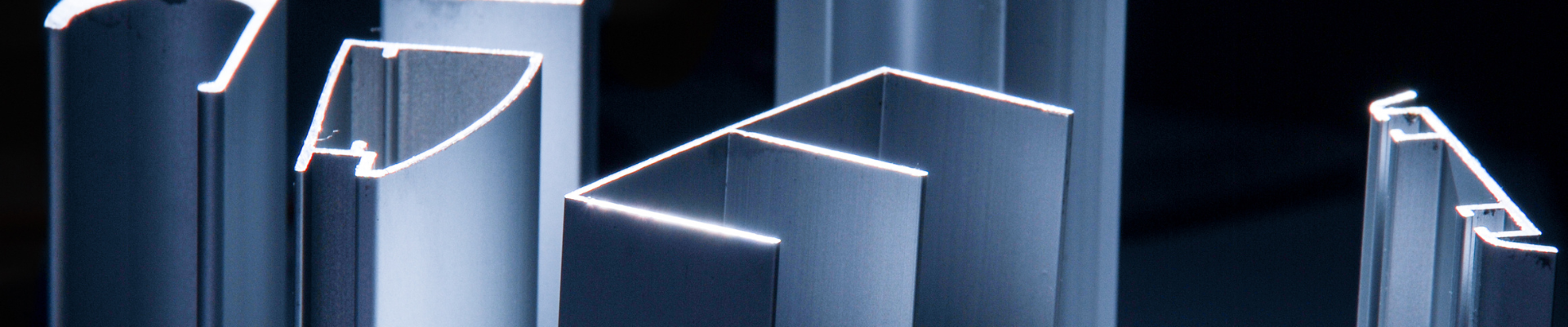
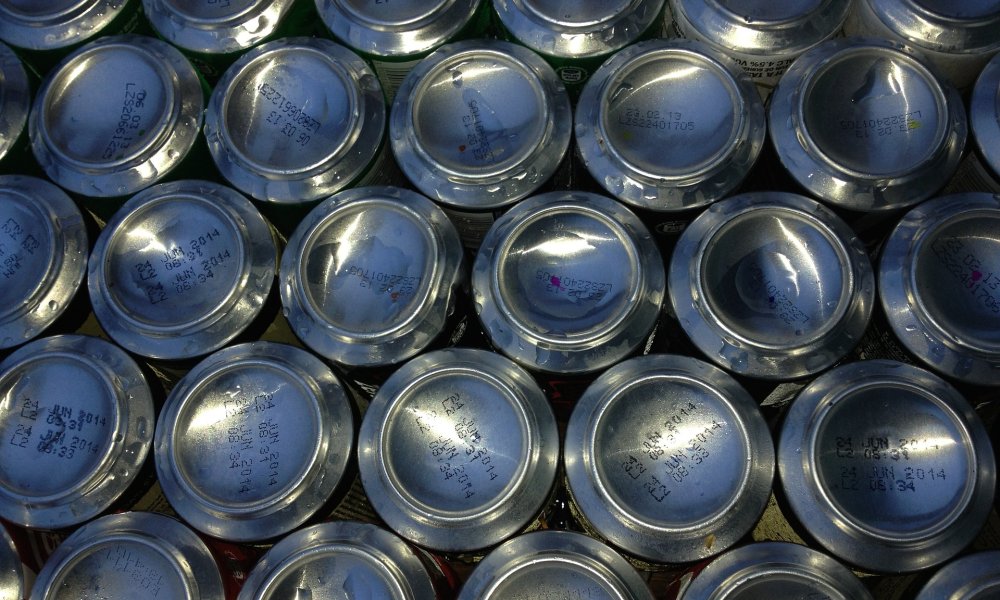
Aluminum has the ability to actively interact with oxygen. The resulting A1 2 O 3 aluminum oxide covers the product surface with a strong and dense film. Oxidation of aluminum at normal temperature after reaching the maximum film thickness practically ceases. The maximum thickness of the film...
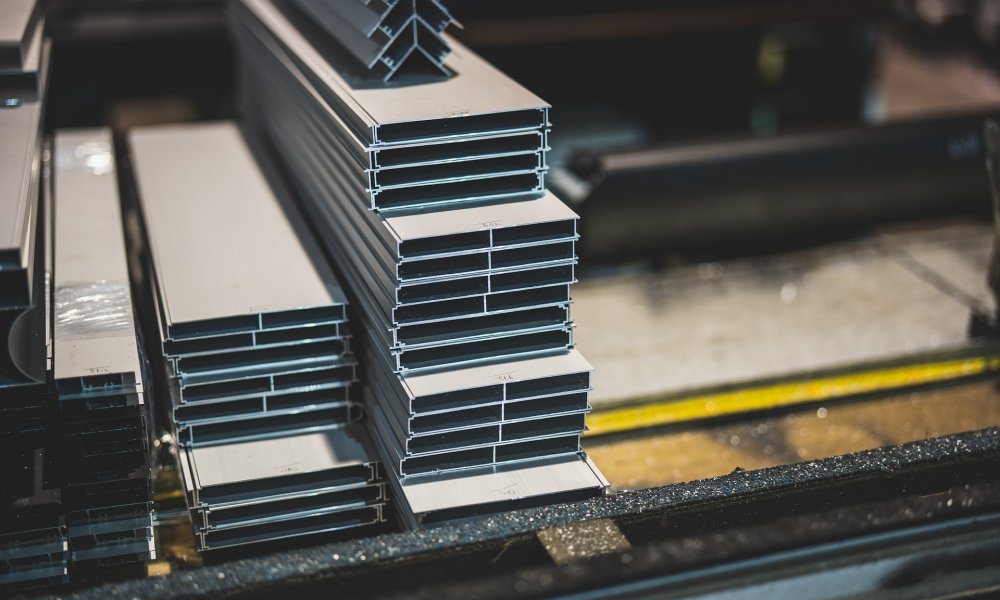
Aluminum was discovered only 150 years ago, but is widely used for industrial, military and consumer purposes. Aluminum-based alloys are used to make lightweight structures, as power conductors, food packaging and finishing materials. Let's take a look at how aluminum is produced and how to...

Aluminum has many useful properties - it does not rust, does not require special care, and due to its light weight it can be used where weight reduction is necessary without sacrificing performance and strength. However, the metal also has disadvantages that reduce its versatility. The main...
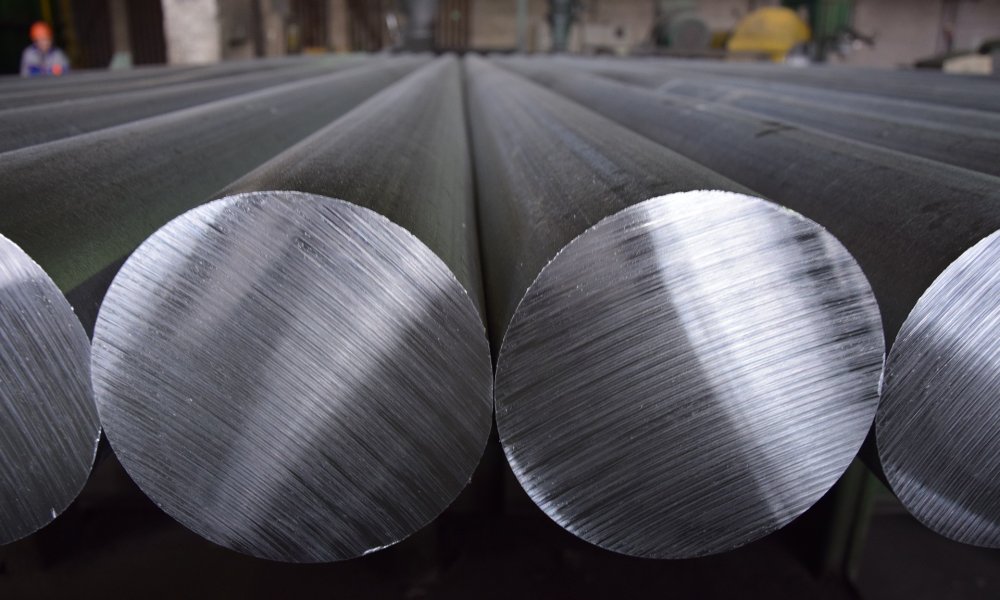
Despite the fact that aluminum is the most common metal on the planet, it cannot be found in pure form on Earth. Due to its high chemical activity, aluminum atoms easily combine with other substances. However, this metal cannot be obtained by smelting ore in a furnace, as is the case with iron...

Anodized aluminum helps prevent oxidation of aluminum in the open air and protect it from possible mechanical damage. The anodized coating makes an aluminum product, such as aluminum sheet or aluminum profile, paintable. What is aluminum anodizing? Aluminum anodizing or anodic oxidation...